Planning a Window Upgrade That Lasts: A Practical Guide for Homes and Small Commercial Spaces
Starting a window project begins with scoping your goals and constraints, not just picking styles. Define whether you seek storm resistance, energy efficiency, acoustic control, or a refreshed façade. Assess sun exposure, prevailing winds, and shading to determine glazing needs. Verify any homeowners association rules and municipal permit triggers early. Meanwhile, list adjacent upgrades like stucco repair or paint so the sequencing minimizes rework and protects new units from damage.
Next, evaluate material options with a lifecycle lens. Aluminum frames offer slim sightlines and durability in humid climates, while vinyl can deliver thermal performance with lower maintenance. Fiberglass balances rigidity and expansion control. Beyond that, weigh laminated impact glass for security and debris resistance. Calibrate visible light transmission and solar heat gain to your orientation. Ask for performance data sheets and confirm testing standards that align with your region’s wind and water exposure categories.
Before committing, align scope with code and inspection pathways. In hurricane zones, product approvals and anchoring details carry significant weight. Validate that submittals include shop drawings, fastening schedules, and sill pan requirements. Often, projects also address doors, where Impact Door Installation can close gaps in the building envelope. Ensure egress, safety glazing near walkways, and threshold accessibility are addressed to avoid costly punch-list corrections after rough and final inspections.
When selecting service offerings, compare crews based on in-house installation versus subcontracting. In practice, consistency in training, flashing techniques, and sealant chemistry reduces leak risk over time. Ask how teams stage removal and protect interiors from dust and rain if a storm pops up. Review how they handle Window Installation and Replacement in phases to maintain security after hours, including temporary boarding protocols and lockset transitions on door upgrades.
Site readiness deserves its own plan. Then, clear six feet around openings, relocate window treatments, and cover electronics. Inspect exterior landscaping for access; trim shrubs that block ladders or scaffold. Document pre-existing cracks and finishes with photos to set expectations. Buffer schedules to account for weather holds, specialty glass lead times, and any structural surprises uncovered after demo. Provide a safe staging area for pallets, and establish a clean path from driveway to openings.
On installation day, sequence work from the leeward side of the building toward prevailing winds. Remove existing units carefully to preserve interior finishes when possible. Maintain continuous sill protection with pans or back dams, and verify shims don’t obstruct weeps. Meanwhile, flash heads and jambs per manufacturer guidelines, not just habit. Sealant selection should match substrate chemistry and UV exposure; tool joints for proper adhesion and water shedding.
Quality control hinges on measurement and documentation. Measure diagonals to confirm square and plumb, and validate reveal consistency for smooth operation. Test every sash and latch before final sealant cures. Inspect perimeter insulation for voids that could cause drafts or condensation. Then, water-test suspect elevations with controlled spray patterns rather than relying on eye checks. Photograph concealed flashings and fasteners for your records and for any warranty discussions later.
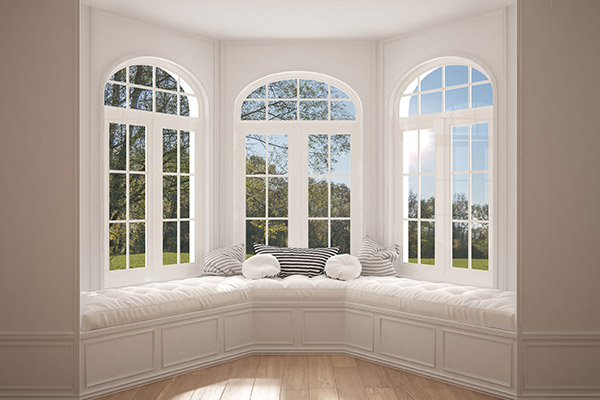
Design considerations extend to doors and architectural accents. For distinctive façades, Architectural Window Installation may integrate muntins, radius tops, or deep jamb extensions without compromising drainage. French Doors installation and Sliding Glass Doors installation introduce threshold details that affect accessibility and water management; plan for pan flashing and slope to exterior. Double Entry Doors installation can require structural verification at the head and sill to manage load paths and maintain alignment.
Budgeting works best when phased. Start with windward and most-exposed elevations, then cycle to shaded or lower-risk sides. Maintain a contingency for stucco patching, interior paint touchups, and hardware adjustments discovered during punch-out. Finally, confirm what is included in closeout: product approvals, maintenance guides, touch-up kits, and a log of installation materials. Clear documentation simplifies future service calls and helps preserve any manufacturer and labor protections.
Long-term care keeps performance on track. Clean tracks and weeps seasonally to prevent water backup. Refine caulk joints after the first year if settlement reveals hairline gaps. Maintain finishes with compatible cleaners to avoid etching glass or degrading seals. Inspect fasteners near coastal exposures for corrosion and address early. In the end, a thoughtful plan, disciplined workflow, and steady follow-ups extend the lifespan of your window and door investment.